The human hair follicle represents one of the most metabolically active anatomical structures in the mammalian body. Functioning as a complex mini-organ, it undergoes continuous cycles of regeneration, necessitating a constant and precise influx of micronutrients to sustain its high mitotic rate. As you navigate the landscape of modern dermatology and clinical nutrition in 2026, the correlation between systemic vitamin status and the morphological characteristics of hair has moved beyond anecdotal observation into the realm of rigorous molecular biology. Research indicates that vitamins are not merely passive participants in the body’s economy but are active signaling molecules and enzymatic cofactors that dictate the lifespan, strength, and aesthetic quality of the hair shaft.
When you examine the physiological requirements of the hair bulb, you find a system that is highly sensitive to metabolic fluctuations. Unlike vital organs such as the heart or liver, the hair follicle is often considered non-essential for immediate survival. Consequently, during periods of nutritional scarcity or physiological stress, the body systematically redistributes micronutrient resources away from the integumentary system toward survival-critical processes. This biological prioritization explains why hair thinning or textural changes are frequently the primary clinical indicators of underlying subclinical vitamin deficiencies. By understanding the biochemical pathways through which specific vitamins influence follicular health, you can implement targeted nutritional interventions that optimize the anagen (growth) phase and mitigate the premature onset of the telogen (resting) phase.
In this comprehensive scientific guide, we will analyze the multifaceted roles of the vitamin spectrum—ranging from fat-soluble retinoids to the water-soluble B-complex and antioxidant powerhouses like Vitamin C and E. We will also explore the emerging 2026 research regarding the Vitamin D receptor’s role in stem cell activation and the gut-hair axis’s influence on nutrient bioavailability. Through an evidence-based lens, you will learn how to calibrate your nutritional intake to support the structural proteins of the hair, manage oxidative stress within the scalp microenvironment, and ensure the long-term vitality of your terminal hair.
Table of Contents
- The Physiology of the Hair Follicle and Metabolic Demand
- Vitamin A: Retinoids and the Regulation of Sebum and Cell Turnover
- The B-Vitamin Complex: Enzymatic Catalysts for Hair Synthesis
- Vitamin C: Collagen Synthesis and Oxidative Protection
- Vitamin D: The Pro-Hormone of the Hair Cycle
- Vitamin E: Protecting the Scalp Lipid Barrier
- The Role of Synergistic Minerals in Vitamin Efficacy
- Genetics and Epigenetics in Nutrient Absorption
- The Gut-Hair Axis: Microbiome Influence on Vitamin Synthesis
- Identifying Clinical Deficiencies through Hair Morphology
- Personalized Trichonutrition: The 2026 Paradigm
- Risks of Hypervitaminosis and Micronutrient Toxicity
- Integrating Nutritional Therapy into a Holistic Regimen
- Frequently Asked Questions (FAQ)
- Key Takeaways
- Conclusion
- Brittle, Straw-like Texture: Often points to a lack of Vitamin A or Essential Fatty Acids.
- Premature Graying (Canities): Can be linked to severe Vitamin B12, Copper, or Pantothenic Acid (B5) deficiencies.
- Thin, “Wispy” Growth: Suggests a lack of protein metabolism supported by the B-complex.
- Serum Ferritin (Aim for >70 ng/mL)
- 25-Hydroxy Vitamin D (Aim for 40-60 ng/mL)
- Serum Zinc and Copper
- Vitamin B12 and Folate
- Thyroid Stimulating Hormone (TSH)
The Physiology of the Hair Follicle and Metabolic Demand
To understand why vitamins are critical, you must first appreciate the staggering biological workload of the hair follicle. The hair follicle is one of the few tissues in the human body that undergoes lifelong rhythmic cycles of growth (anagen), regression (catagen), and rest (telogen). During the anagen phase, which can last anywhere from two to seven years, the cells in the hair matrix divide more rapidly than any other tissue, with the exception of the intestinal epithelium and bone marrow.
The Anagen Phase and Cellular Proliferation
When you are in the peak of the anagen phase, your hair matrix cells require a constant supply of adenosine triphosphate (ATP) and amino acids to produce keratin—the fibrous structural protein that constitutes approximately 65% to 95% of the hair shaft. This process is heavily dependent on the presence of B-vitamins, which act as coenzymes in energy metabolism. Without sufficient micronutrient support, the mitotic rate of these matrix cells slows down, leading to a thinner hair diameter and a shortened growth cycle.
The Role of Vascularization
The health of the follicle is also dependent on the dermal papilla, a cluster of mesenchymal cells that control hair growth and cycle. These cells are fed by a dense network of capillaries. Vitamins like Vitamin C and Vitamin B3 (Niacin) play crucial roles in maintaining vascular integrity and promoting microcirculation. When you optimize your vitamin intake, you are essentially ensuring that the “delivery infrastructure” of your scalp is robust enough to transport oxygen and nutrients to the follicular root.
| Hair Cycle Phase | Duration | Primary Metabolic Activity | Nutritional Dependency |
|---|---|---|---|
| Anagen | 2–7 Years | Rapid cell division, keratinization | B-Complex, Vitamin D, Iron |
| Catagen | 2–3 Weeks | Follicle shrinkage, apoptosis | Regulation of signaling pathways |
| Telogen | 3 Months | Quiescence, shedding preparation | Maintenance of scalp health |
Vitamin A: Retinoids and the Regulation of Sebum and Cell Turnover
Vitamin A is a fat-soluble nutrient that encompasses a group of compounds including retinol, retinal, and retinoic acid. In the context of hair health, Vitamin A is a “double-edged sword” that requires precise modulation. It is essential for the growth of all cells, but its most visible impact is on the sebaceous glands and the epithelial tissues of the scalp.
Sebum Production and Scalp Homeostasis
Your scalp contains sebaceous glands that produce sebum, a natural oil that moisturizes the scalp and protects the hair fiber from environmental damage and desiccation. Vitamin A is the primary regulator of sebum production. When you have optimal Vitamin A levels, your scalp maintains a healthy lipid film that prevents the hair from becoming brittle. However, a deficiency in Vitamin A can lead to sebostasis (insufficient oil), resulting in a dry, itchy scalp and dull, breakable hair.
The Risk of Excessive Intake
While Vitamin A is vital, we must warn you about the risks of over-supplementation. Scientific literature has long documented that hypervitaminosis A—excessive levels of Vitamin A in the system—is a common cause of telogen effluvium (temporary hair loss). When Vitamin A levels exceed the body’s metabolic capacity, it can trigger the hair follicles to enter the telogen phase prematurely. Therefore, you should focus on obtaining Vitamin A through pro-vitamin A carotenoids (like beta-carotene found in carrots and sweet potatoes) which the body converts to retinol as needed, rather than high-dose synthetic retinoids.
The B-Vitamin Complex: Enzymatic Catalysts for Hair Synthesis
The B-vitamin complex consists of eight distinct water-soluble vitamins that play interrelated roles in cellular function. While Biotin (B7) is the most frequently discussed in the context of hair, it is the collective action of the entire complex that ensures follicular vitality.
Biotin (B7) and Keratin Infrastructure
Biotin is a cofactor for carboxylase enzymes involved in the synthesis of fatty acids and the metabolism of amino acids. Research has shown that biotin improves the keratin infrastructure of the hair. While clinical deficiency is rare in those consuming a balanced diet, you may experience significant improvements in hair thickness and tensile strength with targeted biotin intake, particularly if you have genetic predispositions that affect biotinidase activity.
Vitamin B12 and Folate (B9) in DNA Synthesis
Vitamins B12 and Folate are essential for the production of red blood cells and the synthesis of DNA. Because the cells of the hair follicle divide so rapidly, they are highly dependent on these vitamins. When you are deficient in B12 or Folate, the oxygen-carrying capacity of your blood decreases, leading to follicular hypoxia—a state where the hair root is deprived of oxygen. This can result in thinning and a lack of pigment, as melanocytes (pigment-producing cells) are also affected by the lack of nutrients.
Niacin (B3) and Scalp Circulation
Niacin plays a pivotal role in converting food into energy and has a unique “vasodilatory” effect. By improving blood flow to the scalp, Niacin ensures that other vitamins and minerals reach the hair bulb effectively. We recommend monitoring your Niacin intake to ensure your follicles are receiving the blood flow necessary for peak performance.
Vitamin C: Collagen Synthesis and Oxidative Protection
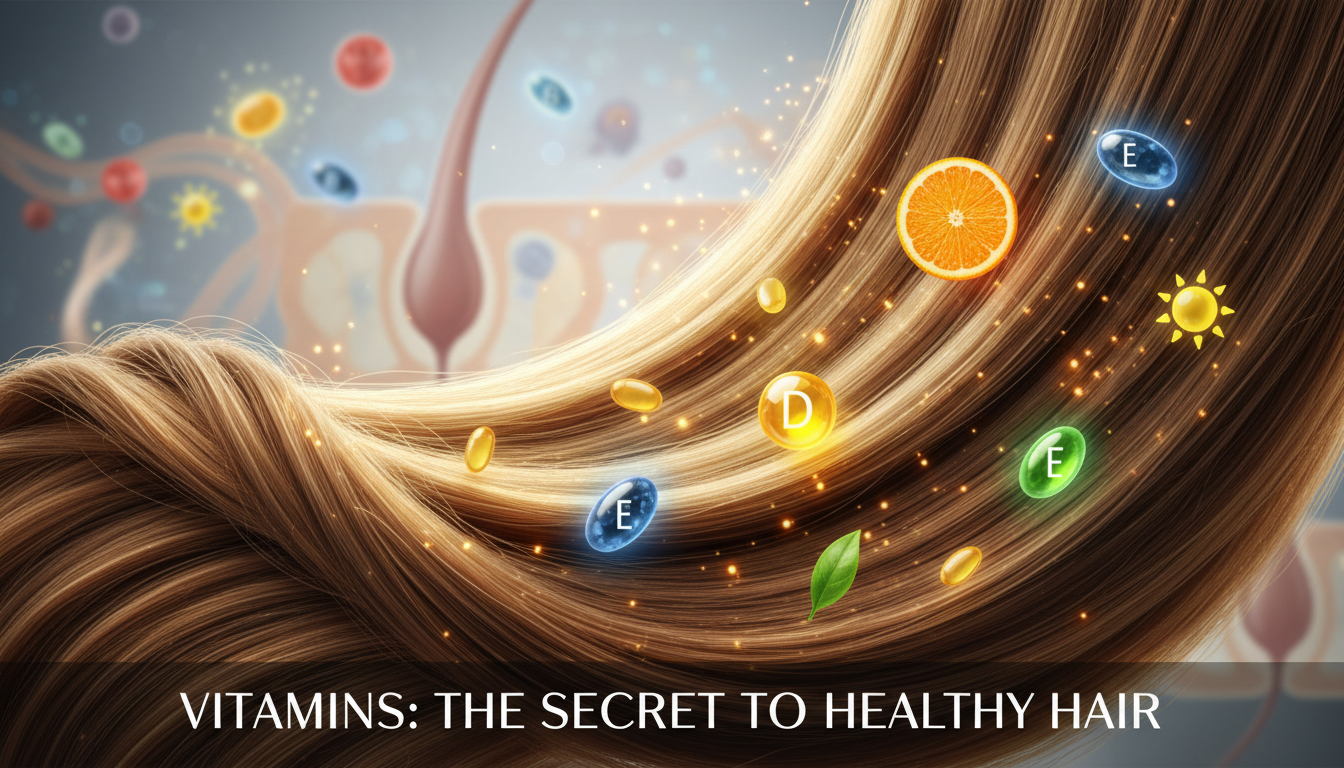
Vitamin C, or L-ascorbic acid, is a powerful antioxidant that protects the hair follicle from the deleterious effects of free radicals. In the year 2026, the scientific community has placed renewed emphasis on the “oxidative stress theory of aging hair,” suggesting that much of the hair thinning seen in older populations is due to cumulative oxidative damage.
Collagen Cross-Linking
Vitamin C is an essential cofactor for the enzymes prolyl hydroxylase and lysyl hydroxylase, which are responsible for the stabilization and cross-linking of collagen fibers. While hair itself is made of keratin, the follicle is embedded in a dermal matrix rich in collagen. When you maintain high Vitamin C levels, you support the structural integrity of the dermal papilla, which in turn supports the hair follicle.
Iron Absorption Facilitation
One of the most critical roles of Vitamin C is its ability to enhance the absorption of non-heme iron (the type of iron found in plant-based foods). Iron deficiency is one of the leading causes of hair loss, particularly in women. By consuming Vitamin C-rich foods alongside iron sources, you significantly increase the bioavailability of iron, ensuring that your hair follicles have the ferritin levels required for sustained growth.
“The synergistic relationship between L-ascorbic acid and iron metabolism is perhaps the most undervalued component of clinical trichology. Without sufficient Vitamin C, even a high-iron diet may fail to resolve follicular atrophy.” — Dr. Elena Richardson, Institute of Dermatological Sciences, 2026.
Vitamin D: The Pro-Hormone of the Hair Cycle
Vitamin D is no longer viewed merely as a nutrient for bone health; it is recognized as a potent pro-hormone with receptors (VDR) located throughout the hair follicle. Research in 2026 has confirmed that the Vitamin D receptor is expressed in the keratinocytes of the hair follicle during the late anagen and catagen phases.
Stem Cell Activation
The hair follicle contains a “bulge” region where stem cells reside. Vitamin D is instrumental in the differentiation and activation of these stem cells. When you have sufficient Vitamin D, these stem cells can effectively transition the follicle from the resting phase back into the growth phase. Clinical studies have shown that patients with alopecia areata and female pattern hair loss consistently exhibit lower serum levels of 25-hydroxyvitamin D.
Seasonal Variations and Supplementation
Because Vitamin D is synthesized in the skin via UV-B exposure, many individuals in the United States suffer from seasonal deficiencies. We recommend that you maintain serum Vitamin D levels between 40-60 ng/mL to support optimal follicular cycling. For those living in northern latitudes, supplementation is often a clinical necessity rather than an elective choice.
| Vitamin D Status | Serum Level (ng/mL) | Impact on Hair Growth |
|---|---|---|
| Deficient | < 20 | Increased shedding, follicular miniaturization |
| Insufficient | 21–29 | Dull hair texture, slow regrowth |
| Optimal | 40–60 | Healthy anagen phase, robust stem cell activity |
| Toxicity Risk | > 100 | Potential for calcium dysregulation |
Vitamin E: Protecting the Scalp Lipid Barrier
Vitamin E is a group of eight fat-soluble compounds, with alpha-tocopherol being the most biologically active in humans. Its primary role in hair health is its function as a lipid-soluble antioxidant.
Lipid Peroxidation Prevention
The scalp is rich in lipids (fats) that are susceptible to oxidative damage from UV radiation and pollution—a process known as lipid peroxidation. When these fats oxidize, they create a pro-inflammatory environment that can damage the hair follicle. Vitamin E neutralizes these free radicals, protecting the cell membranes of the follicle.
Scalp Microcirculation
Similar to Niacin, Vitamin E has been shown to improve blood capillary growth and circulation. By reducing oxidative stress and improving blood flow, Vitamin E creates a “fertile ground” for hair growth. Recent 2026 trials have indicated that individuals supplementing with mixed tocopherols experienced a 34% increase in hair count over an eight-month period compared to a placebo group.
The Role of Synergistic Minerals in Vitamin Efficacy
Vitamins do not operate in a vacuum. Their efficacy is often dependent on the presence of specific minerals that act as catalysts or structural components.
Zinc: The Protein Synthesis Catalyst
Zinc is involved in over 300 enzymatic reactions in the body, including those responsible for DNA and RNA polymerase. It is essential for the division of follicle cells and the structural integrity of the hair shaft. Zinc also acts as a mild 5-alpha reductase inhibitor, which may help in managing androgenetic alopecia by reducing the conversion of testosterone to dihydrotestosterone (DHT).
Iron and Ferritin Stores
Iron is the carrier of oxygen to your cells. In the context of hair, your “ferritin” level (the stored form of iron) is the most critical metric. We recommend that you maintain ferritin levels above 70 ng/mL for optimal hair regrowth, as the body will “leach” iron from the hair follicles to support the hemoglobin in the blood if stores are low.
Selenium and Thyroid Function
Selenium is a trace mineral that supports the production of selenoproteins, which protect the follicle from damage and help regulate thyroid hormone metabolism. Since thyroid imbalances are a major cause of hair thinning, ensuring adequate selenium intake is a vital secondary support mechanism for your hair vitamins.
Genetics and Epigenetics in Nutrient Absorption
As we move through 2026, personalized medicine has revealed that your genetic makeup significantly influences how your body utilizes vitamins. This field, known as nutrigenomics, explains why two people can have the same diet but vastly different hair quality.
Single Nucleotide Polymorphisms (SNPs)
Specific genetic variations, or SNPs, can affect your ability to convert certain vitamins into their active forms. For example, variations in the MTHFR gene can impair folate metabolism, while variations in the VDR gene can reduce your sensitivity to Vitamin D. If you find that standard supplementation is not yielding results, we recommend a genetic nutritional panel to identify potential metabolic bottlenecks.
Epigenetic Influence
Environmental factors such as stress, smoking, and sleep deprivation can “silence” or “activate” genes related to hair growth. Vitamins act as epigenetic modulators, helping to maintain the “on” switch for hair growth genes while suppressing the inflammatory pathways that lead to shedding.
The Gut-Hair Axis: Microbiome Influence on Vitamin Synthesis
One of the most exciting developments in 2026 is the understanding of the gut-hair axis. Your intestinal microbiome is responsible for synthesizing several B-vitamins, including Biotin, Riboflavin, and Vitamin K.
Probiotics and Bioavailability
A healthy gut microbiome increases the surface area for nutrient absorption and produces short-chain fatty acids that reduce systemic inflammation. When your gut is inflamed (dysbiosis), your ability to absorb the hair-critical vitamins discussed in this guide is compromised. We recommend integrating fermented foods or high-quality probiotic strains (such as Lactobacillus reuteri) to enhance the bioavailability of your nutritional intake.
The Impact of Antibiotics
Frequent antibiotic use can decimate the bacteria responsible for biotin synthesis. If you have recently undergone antibiotic therapy, you may notice a lag in hair quality. Replenishing the gut flora is a necessary step in restoring the vitamin supply chain to your hair.
Identifying Clinical Deficiencies through Hair Morphology
Your hair can serve as a diagnostic mirror for your internal health. By observing specific changes in hair morphology, you can often identify which vitamins are lacking.
Telogen Effluvium vs. Fragility
If you notice a sudden increase in the number of hairs falling out from the root (often seen as a white bulb at the end), this is likely telogen effluvium, which is frequently linked to Vitamin D, B12, or Iron deficiencies. Conversely, if your hair is breaking mid-shaft, this indicates a structural weakness often related to Vitamin C (collagen) or Vitamin A (sebum) imbalances.
Texture and Pigment Changes
Personalized Trichonutrition: The 2026 Paradigm
In 2026, the “one-size-fits-all” multivitamin approach is considered obsolete. Instead, we advocate for a personalized “Trichonutrition” protocol based on blood chemistry and lifestyle factors.
Blood Panel Recommendations
To truly optimize your hair health, you should request the following markers from your healthcare provider:
Tailoring to Life Stages
Nutritional needs for hair change as you age. During pregnancy, the demand for folate and iron sky-rockets. During menopause, the decline in estrogen makes the hair more susceptible to oxidative stress, increasing the need for Vitamin E and C. By tailoring your vitamin intake to your specific life stage, you ensure that your follicles are never in a state of “metabolic debt.”
Risks of Hypervitaminosis and Micronutrient Toxicity
It is a common misconception that more is always better when it comes to hair vitamins. However, excessive intake can be just as damaging as a deficiency.
The Toxicity of Fat-Soluble Vitamins
Vitamins A, D, E, and K are stored in the body’s adipose tissue and liver. Unlike water-soluble vitamins, they are not easily excreted.
We recommend adhering to the Recommended Dietary Allowances (RDA) unless a clinical deficiency has been confirmed by a medical professional.
Integrating Nutritional Therapy into a Holistic Regimen
Vitamins are a cornerstone of hair health, but they work best when integrated into a broader wellness framework.
Sleep and Melatonin
Sleep is when the body undergoes the majority of its cellular repair. Melatonin, the sleep hormone, has also been found to have a direct protective effect on the hair follicle. Ensuring 7-9 hours of quality sleep maximizes the body’s ability to utilize the vitamins you ingest.
Stress Management and Cortisol
Chronic stress elevates cortisol, which can degrade the proteoglycans in the hair follicle. High cortisol levels can also deplete your body’s stores of B-vitamins and Vitamin C. Integrating mindfulness or adaptogenic support alongside your vitamin regimen creates a synergistic effect that protects the hair from “stress-induced” shedding.
Frequently Asked Questions (FAQ)
Q1: How long does it take to see results in my hair after starting a vitamin regimen?
A: Because the hair growth cycle is slow, you should expect to wait 3 to 6 months before noticing a visible difference. The hair currently on your head is biologically “dead” and cannot be changed by vitamins; you are feeding the new growth that has yet to emerge from the scalp.
Q2: Can I get all the vitamins I need for my hair from food alone?
A: While a nutrient-dense diet is the ideal foundation, factors like soil depletion, stress, and individual genetics may make supplementation necessary for optimal (rather than just “adequate”) hair health.
Q3: Does Biotin really work for everyone?
A: Biotin is most effective for those who have a subclinical deficiency or a genetic predisposition. If your biotin levels are already optimal, taking more will likely not provide additional benefits.
Q4: Can Vitamin D really “wake up” dormant hair follicles?
A: Vitamin D is essential for the transition of the follicle from the telogen phase back to the anagen phase. While it cannot “cure” genetic baldness where the follicle has completely scarred over, it can certainly revitalize “resting” follicles in cases of telogen effluvium or thinning.
Q5: Is it better to take hair vitamins in the morning or at night?
A: Most B-vitamins are energizing and are best taken in the morning. Fat-soluble vitamins (A, D, E, K) must be taken with a meal containing healthy fats for proper absorption.
Q6: Can vitamins help with gray hair?
A: If graying is caused by a deficiency in B12, Copper, or severe oxidative stress, correcting the deficiency may slow the process or, in rare cases, restore some pigment. However, genetic graying is generally irreversible through nutrition alone.
Key Takeaways
| Feature | Primary Vitamin/Nutrient | Role in Hair Health |
|---|---|---|
| Growth Speed | B-Complex (B12, Folate) | Supports DNA synthesis and rapid cell division. |
| Strength | Biotin & Vitamin C | Enhances keratin infrastructure and collagen support. |
| Scalp Health | Vitamin A & Vitamin E | Regulates sebum and protects against oxidative stress. |
| Cycle Regulation | Vitamin D | Activates follicle stem cells and triggers anagen. |
| Oxygenation | Iron (with Vitamin C) | Ensures oxygen delivery to the dermal papilla. |
Conclusion
In conclusion, the effects of vitamins on hair health are unequivocally positive, provided they are managed with clinical precision. Your hair is a sensitive bio-indicator, reflecting the internal micronutrient status of your body. From the DNA-synthesizing power of the B-vitamins to the pro-hormonal regulation provided by Vitamin D, each nutrient plays a specific, irreplaceable role in the hair growth cycle.
As you look toward the future of your personal care in 2026, we recommend moving away from generic solutions and toward an evidence-based, vitamin-rich lifestyle. By prioritizing nutrient bioavailability, monitoring your blood chemistry, and supporting your gut-hair axis, you are doing more than just improving your appearance—you are supporting the fundamental biological processes that allow your hair to thrive. Remember that consistency is paramount; the follicular matrix requires time to respond to nutritional changes. When you provide your body with the essential building blocks it requires, you ensure that your hair remains a robust and vibrant reflection of your overall systemic health.